Published by Treadline
Budget a sightseeing walk: travel, moving time and visits separately
A loop distance estimates only the suggested line. Put travel, walking, stops and attraction visits on separate lines of your plan so a short GPX does not become an unrealistic sightseeing schedule.
This guide is published by Treadline, one of the apps discussed. No app paid for placement. Sources and copy reviewed ; features, access and purchase options can change.
How to choose
Use the worked itinerary as arithmetic, with your own current travel and visitor information replacing every assumption.
Start from the appointment you must keep
Suppose you have sixty minutes between leaving a hotel and returning. An illustrative ten-minute outward journey and ten-minute return use twenty minutes before the loop begins.
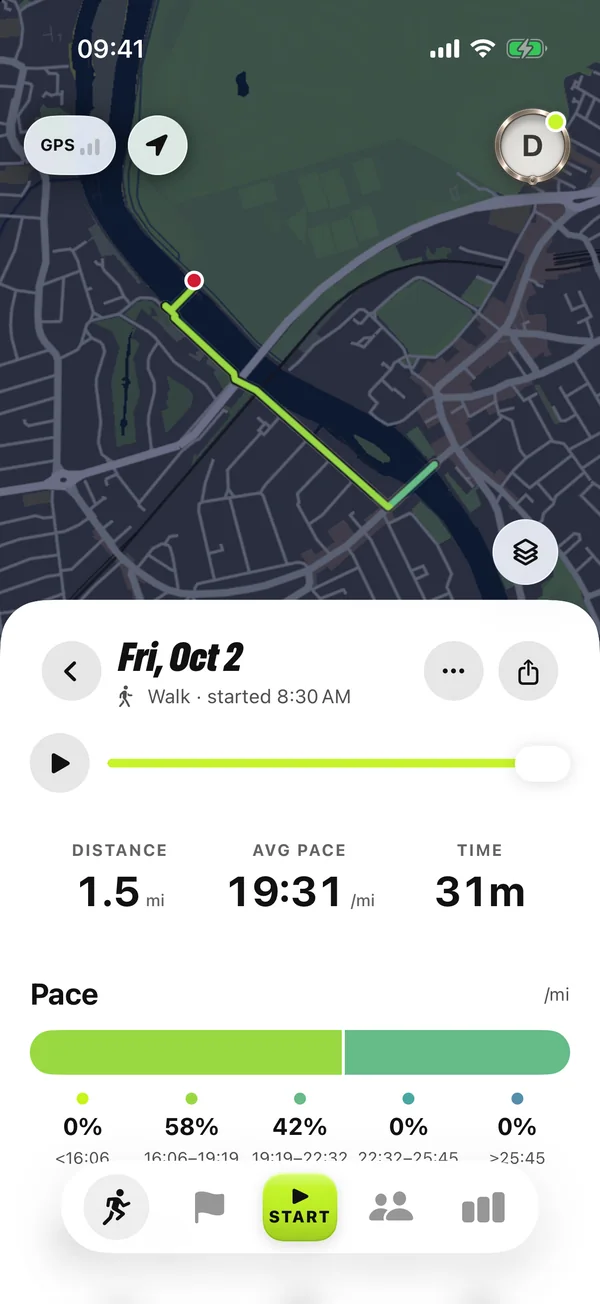
A 1.5 km loop at a hypothetical 12 min/km uses eighteen more minutes. That leaves twenty-two minutes for every pause, crossing and visit; it is not a spare hour at the attraction.
Decide whether the visit is inside the window
If you want thirty minutes inside a building, the example already exceeds the sixty-minute total before allowing for queues. Shortening the outdoor loop cannot always solve the real scheduling problem.
Choose an outside walk or a separate attraction visit if that better fits the day. Check the venue’s own information for tickets and access; a route suggestion is not an admission arrangement.
Keep transfers out of a loop comparison
Three downloadable suggestions in one city describe three individual lines. Their lengths do not include walking or travelling between them. Adding their numbers alone does not make a complete itinerary.
For each transfer, use a current journey plan and count its time once. If the start and finish differ, include the return from the actual finish rather than the original starting point.
Leave a decision point in the plan
Choose a time when you will finish sightseeing and begin the return, even if you have not reached the optional goal. A fixed return deadline is easier to manage when that decision is made before leaving.
After the trip, record your real travel and stop times separately from moving time. That provides a more useful basis for another visit than changing the example walking pace to absorb every delay.
Try a landmark loop
Sources and further reading
- Walking and running time calculator (reviewed 2026-11-05)
- Published landmark loops and GPX downloads (reviewed 2026-11-05)
- Treadline FAQ — released product facts